
99iTV: Korean dramas and films, and where to watch them
From Jewel in the Palace, Coffee Prince and My Love from the Star to My Mister, Hospital Playlist, The Glory and Queen of Tears, and from Joint Security Area, The Host and Snowpiercer to The Roundup and Exhuma. Pick a poster and press Watch now.
 2024Drama16 epsQueen of TearsKim Soo-hyun, Kim Ji-won, Park Sung-hoon
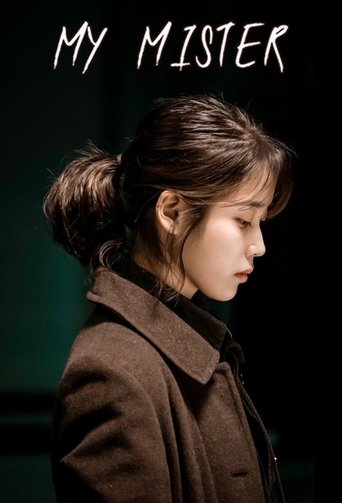 2018Drama16 epsMy MisterLee Sun-kyun, IU, Goh Doo-shim
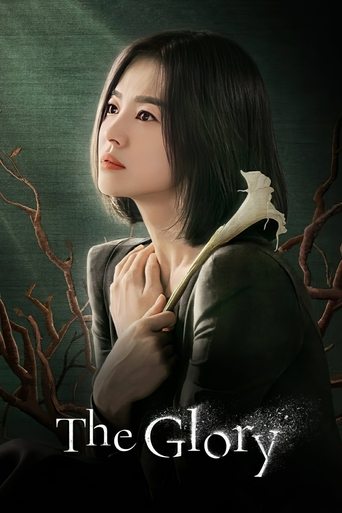 2022Drama16 epsThe GlorySong Hye-kyo, Lee Do-hyun, Im Ji-yeon
 2020Drama24 epsHospital PlaylistCho Jung-seok, Yoo Yeon-seok, Jung Kyung-ho
 2013ActionFilmSnowpiercerChris Evans, Song Kang-ho, Ed Harris
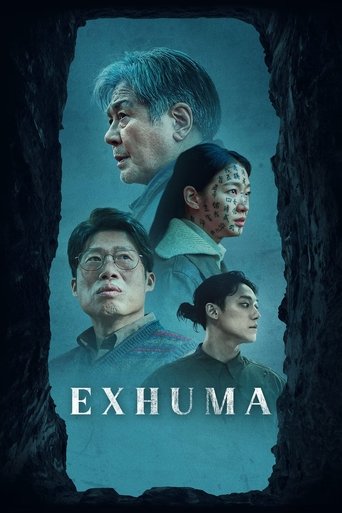 2024MysteryFilmExhumaChoi Min-sik, Kim Go-eun, Yoo Hai-jin
99iTV notice 99iTV is a guide: every title opens on the official services in your country. 184 Korean dramas and films on the shelves today.
 2020Comedy16 epsTrue BeautyMun Ka-young, Cha Eun-woo, Hwang In-youp
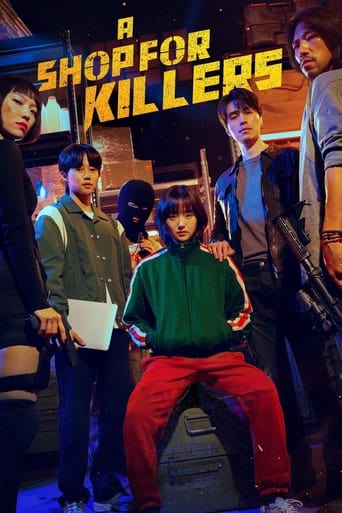 2024Drama16 epsA Shop for KillersLee Dong-wook, Kim Hye-jun, Geum Hannah
- 2020Drama24 epsHospital PlaylistCho Jung-seok, Yoo Yeon-seok, Jung Kyung-ho
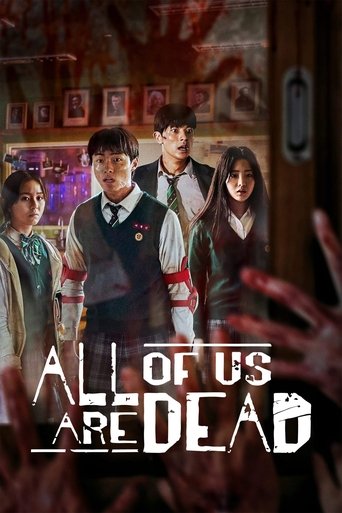 2022ActionEp 12All of Us Are DeadPark Ji-hu, Yoon Chan-young, Cho Yi-hyun
 2020Drama28 epsThe Uncanny CounterCho Byeong-kyu, Yu Jun-sang, Kim Se-jeong
- 2022Drama16 epsThe GlorySong Hye-kyo, Lee Do-hyun, Im Ji-yeon
 2021Crime20 epsMouseLee Seung-gi, Lee Hee-jun, Park Ju-hyun
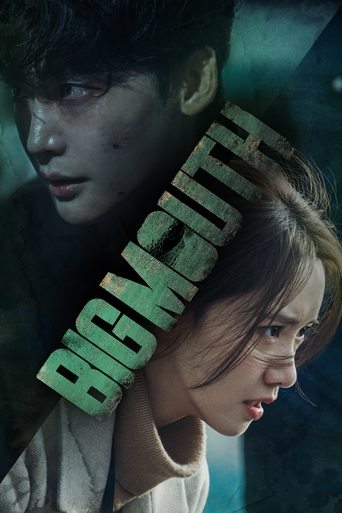 2022Mystery16 epsBig MouthLee Jong-suk, Yoona, Kim Ju-hun
 2023Drama16 epsMy DemonKim You-jung, Song Kang, Lee Sang-yi
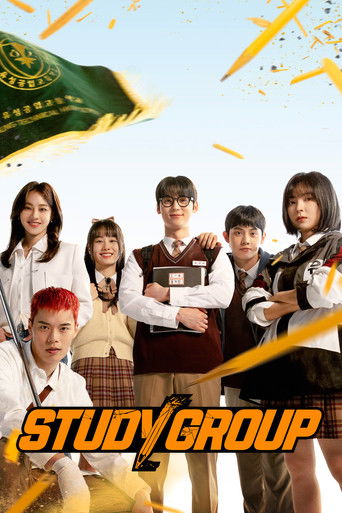 2025ActionEp 11Study GroupMinhyun, Lee Jong-hyun, Gong Do-yu
 2003Drama54 epsJewel in the PalaceLee Young-ae, Ji Jin-hee, Lim Ho
- 2024Drama16 epsQueen of TearsKim Soo-hyun, Kim Ji-won, Park Sung-hoon
Korean dramas
More ›- 2020Comedy16 epsTrue BeautyMun Ka-young, Cha Eun-woo, Hwang In-youp
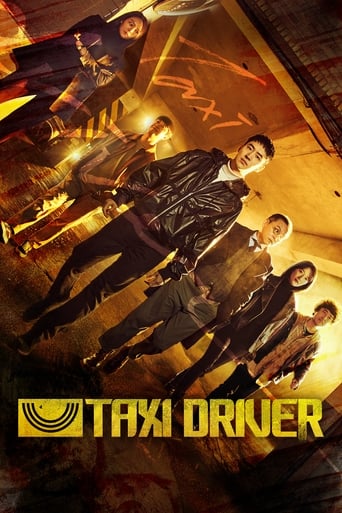 2021Action48 epsTaxi DriverLee Je-hoon, Kim Eui-sung, Pyo Ye-jin
- 2024Drama16 epsA Shop for KillersLee Dong-wook, Kim Hye-jun, Geum Hannah
- 2020Drama24 epsHospital PlaylistCho Jung-seok, Yoo Yeon-seok, Jung Kyung-ho
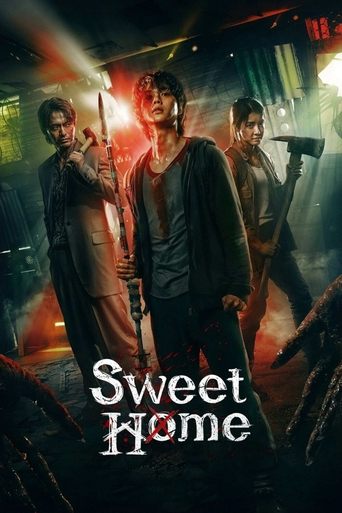 2020Fantasy26 epsSweet HomeSong Kang, Lee Jin-uk, Lee Si-young
- 2022ActionEp 12All of Us Are DeadPark Ji-hu, Yoon Chan-young, Cho Yi-hyun
- 2020Drama28 epsThe Uncanny CounterCho Byeong-kyu, Yu Jun-sang, Kim Se-jeong
- 2022Drama16 epsThe GlorySong Hye-kyo, Lee Do-hyun, Im Ji-yeon
- 2021Crime20 epsMouseLee Seung-gi, Lee Hee-jun, Park Ju-hyun
- 2022Mystery16 epsBig MouthLee Jong-suk, Yoona, Kim Ju-hun
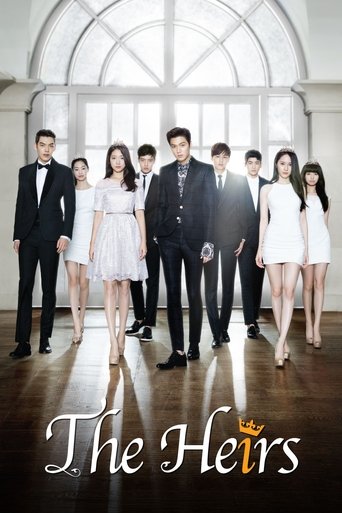 2013Comedy20 epsThe HeirsPark Shin-hye, Lee Min-ho, Kim Woo-bin
 2024Drama16 epsLove Next DoorJung Hae-in, Jung So-min, Kim Ji-eun
Korean films
More ›- 2013ActionFilmSnowpiercerChris Evans, Song Kang-ho, Ed Harris
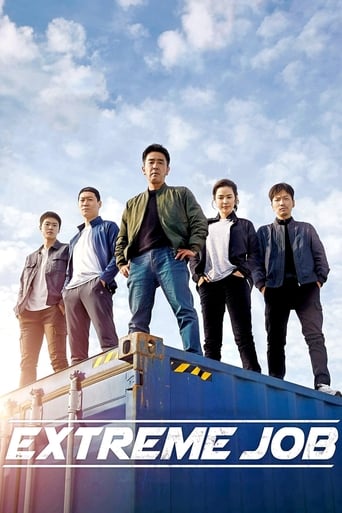 2019ActionFilmExtreme JobRyu Seung-ryong, Lee Hanee, Jin Sun-kyu
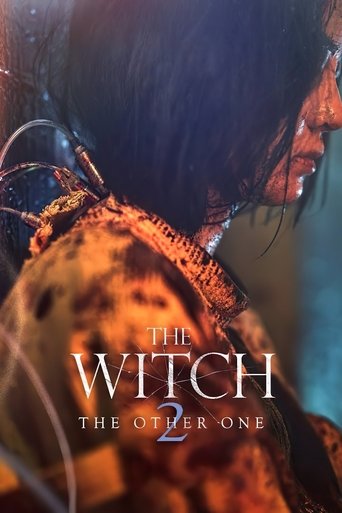 2022ActionFilmThe Witch: Part 2. The Other OneShin Sia, Park Eun-bin, Seo Eun-soo
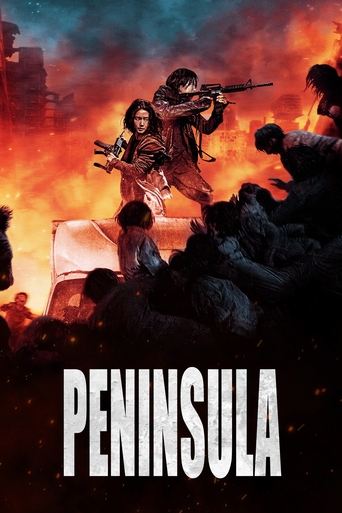 2020HorrorFilmPeninsulaGang Dong-won, Lee Jung-hyun, Lee Re
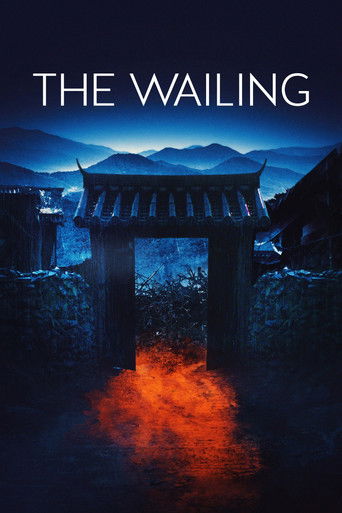 2016HorrorFilmThe WailingKwak Do-won, Hwang Jung-min, Chun Woo-hee
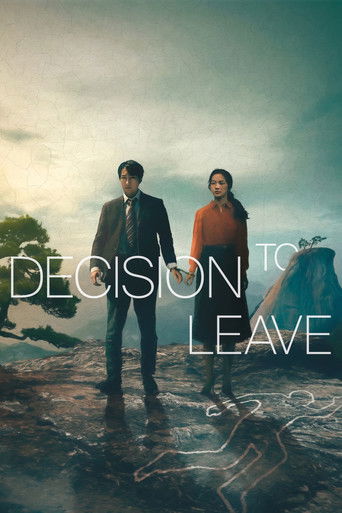 2022ThrillerFilmDecision to LeaveTang Wei, Park Hae-il, Lee Jung-hyun
 2018HorrorFilmGonjiam: Haunted AsylumWi Ha-jun, Park Ji-hyun, Oh Ah-yeon
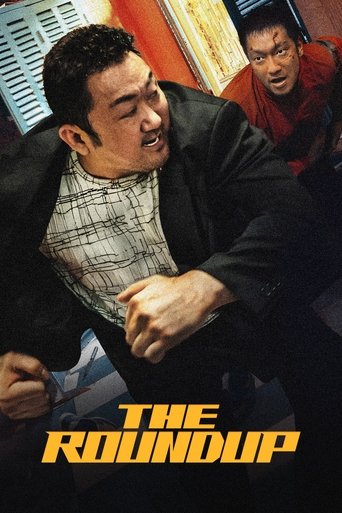 2022ActionFilmThe RoundupDon Lee, Son Suk-ku, Choi Gwi-hwa
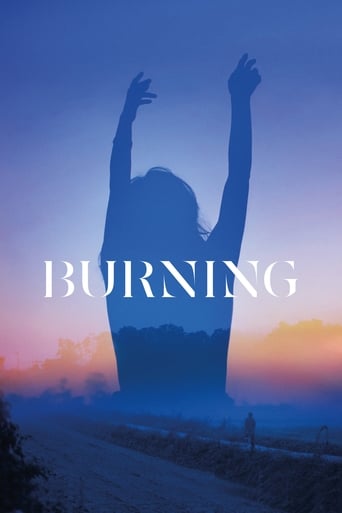 2018MysteryFilmBurningYoo Ah-in, Steven Yeun, Jeon Jong-seo
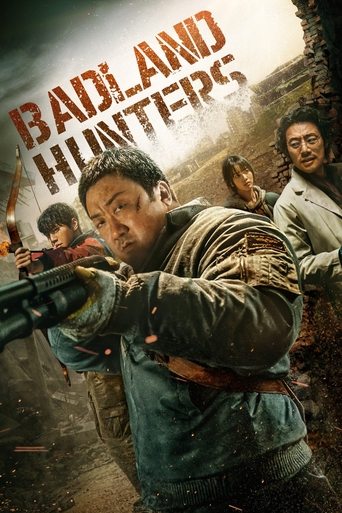 2024ActionFilmBadland HuntersDon Lee, Lee Jun-young, Lee Hee-jun
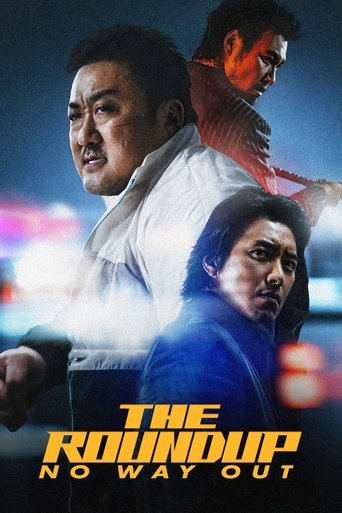 2023ActionFilmThe Roundup: No Way OutDon Lee, Lee Jun-hyuk, Munetaka Aoki
- 2024MysteryFilmExhumaChoi Min-sik, Kim Go-eun, Yoo Hai-jin
- 2020Comedy16 epsTrue BeautyMun Ka-young, Cha Eun-woo, Hwang In-youp
- 2013Comedy20 epsThe HeirsPark Shin-hye, Lee Min-ho, Kim Woo-bin
- 2024Drama16 epsLove Next DoorJung Hae-in, Jung So-min, Kim Ji-eun
- 2023Drama16 epsMy DemonKim You-jung, Song Kang, Lee Sang-yi
 2023Drama16 epsKing the LandJunho, Yoona, Go Won-hee
- 2024Drama16 epsQueen of TearsKim Soo-hyun, Kim Ji-won, Park Sung-hoon
- 2020Fantasy26 epsSweet HomeSong Kang, Lee Jin-uk, Lee Si-young
- 2022ActionEp 12All of Us Are DeadPark Ji-hu, Yoon Chan-young, Cho Yi-hyun
 2023Fantasy17 epsGyeongseong CreaturePark Seo-jun, Han So-hee
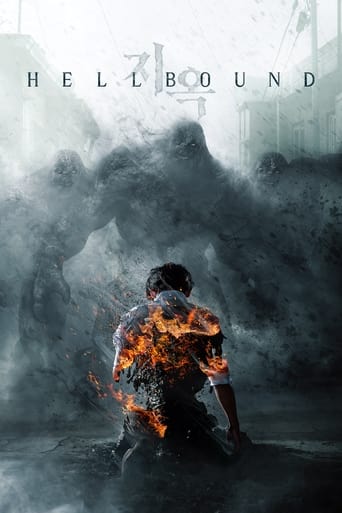 2021DramaEp 12HellboundKim Sung-cheol, Kim Hyun-joo, Kim Shin-rock
- 2020HorrorFilmPeninsulaGang Dong-won, Lee Jung-hyun, Lee Re
 2021Drama12 epsHappinessHan Hyo-joo, Park Hyung-sik, Joo Jong-hyuk
- 2022ActionFilmThe RoundupDon Lee, Son Suk-ku, Choi Gwi-hwa
- 2024ActionFilmBadland HuntersDon Lee, Lee Jun-young, Lee Hee-jun
- 2023ActionFilmThe Roundup: No Way OutDon Lee, Lee Jun-hyuk, Munetaka Aoki
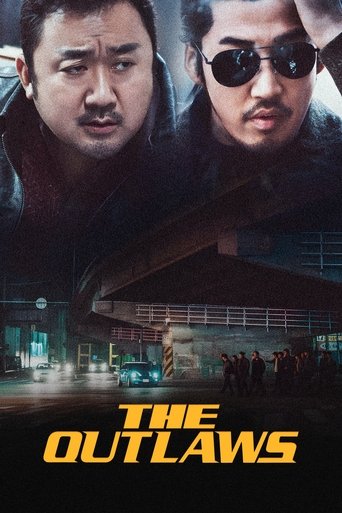 2017ActionFilmThe OutlawsDon Lee, Yoon Kye-sang, Jo Jae-yun
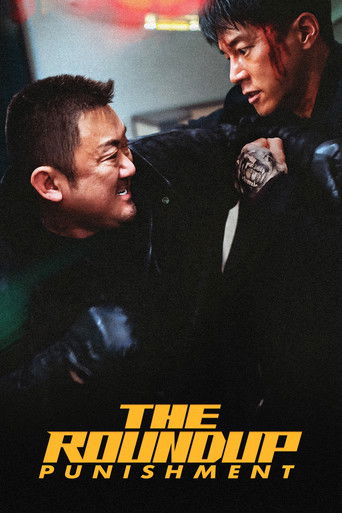 2024ActionFilmThe Roundup: PunishmentDon Lee, Kim Moo-yul, Park Ji-hwan
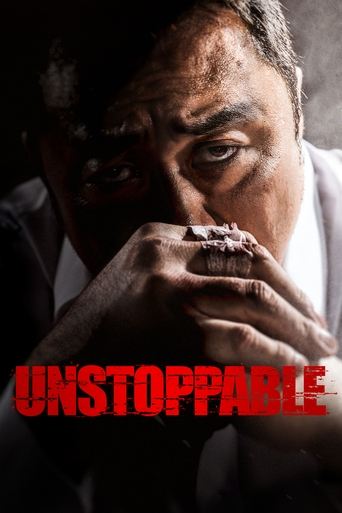 2018CrimeFilmUnstoppableDon Lee, Song Ji-hyo, Kim Seung-oh
- 2013Comedy20 epsThe HeirsPark Shin-hye, Lee Min-ho, Kim Woo-bin
- 2003Drama54 epsJewel in the PalaceLee Young-ae, Ji Jin-hee, Lim Ho
 2013Comedy21 epsMy Love from the StarGianna Jun, Kim Soo-hyun, Park Hae-jin
 2014Comedy20 epsHealerJi Chang-wook, Yoo Ji-tae, Park Min-young
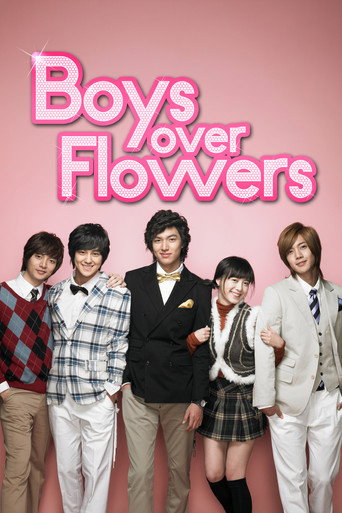 2009Comedy25 epsBoys Over FlowersKoo Hye-sun, Lee Min-ho, Kim Hyun-joong
 2014Drama20 epsDoctor StrangerLee Jong-suk, Park Hae-jin, Jin Se-yeon
App, domains and help
More ›- How to watch with 99iTVFrom a poster to the opening scene.
- Korean dramas on 99iTVFrom the first Hallyu wave to the streaming era.
- Korean romance on 99iTVOffice crushes, contract dates and fated loves.
- Korean cinema on 99iTVMasters, blockbusters and crowd-pleasers.
- Korean thrillers on 99iTVRevenge, detectives and heists.
- From webtoon to screenStories born on the phone screen.
- Subtitles and audioKorean audio with your choice of subtitles.
- The official 99iTV siteRecognising 99iTV.
- Is 99iTV working?A quick check and handy fixes.
- Where 99iTV titles streamThe official services behind the guide.
- Apps and devicesPhones, tablets, laptops and TVs.
- Free Korean dramasLegal ways to watch at zero cost.
- Streaming safelyA short checklist.
- Finding a titleSearch in English or Korean.
- My ListSaving titles and following dramas.
99iTV: Korean dramas and films, from Jewel in the Palace and Coffee Prince to The Glory, Queen of Tears, The Host and Exhuma
99iTV began life as 99i影城, a busy Traditional Chinese streaming site whose home page was a wall of fresh posters, each wearing a blue year tag, an orange genre tag and a bright green pill with the latest episode. Of all the regions on its menu, the one that filled the most of those posters in 2025 was Korea. The new 99iTV keeps the charcoal look and the cheerful three-colour tags, and turns that love of Korean stories into an honest guide, written in English for viewers everywhere. It gathers Korean television dramas and Korean films, and every title has a Watch now button that opens it on the official services in your country.
Korean screen stories have become one of the great cultural exports of the century. The dramas that swept across Asia in the 2000s, a movement the press named Hallyu, the Korean Wave, now reach every continent, and Korean films win top prizes at Cannes and draw record audiences at home. Romance, revenge, zombies, palace intrigue, hospital friendships and gangland thrillers all live side by side. 99iTV is a friendly map of that world, for newcomers taking their first step and for fans who have been counting episodes for twenty years.
The 99iTV design
The archived capture of 99itv.net from March 2025 preserves the home page, its inline styles and the style sheets of the my22 template it was built on, and every colour here was measured from them. The page is a soft charcoal, with slightly darker rounded panels, grey body text and near-white headings. The active menu item sits in an orange pill, and a thin, translucent white rule divides the header into two rows. The poster cards carry the site's signature: a sky-blue year tag in the top left corner, an orange genre tag in the top right and a vivid green status pill in the bottom right, with black text for easy reading. Under each poster sits the title in bold and, beneath it, a grey line with the first names of the cast, exactly as on the original.
The logo gathers the same colours: an orange badge with the number 99 in dark type, a sky-blue i, the letters TV in white and a small green play mark. The type is Microsoft JhengHei, the standard Traditional Chinese face on Windows that the original used, paired with Noto Sans KR so that Korean titles display cleanly on every device.
The two-row header
The top row of the header holds the logo, which always leads home, and the main menu: Home, Dramas, Films, Romance, Survival and the A-Z index, with the current page highlighted in the orange pill. An orange My List button sits on the right. The second row, separated by a fine rule, holds a wide search box with its magnifying glass on the left, and a set of quick links on the right, just as the original listed its regions there. On 99iTV the quick links open the shelves visitors reach for most: Romance, Fantasy, Webtoon, Thrillers, History, Classics and Top rated. On a phone, both rows fold into a single menu button. The finding a title guide explains the search box and the quick links.
The lead row and the notice bar
The home page opens as the original did, with a row of six large posters before any panel begins: here they are six favourites that show the range of the guide, from a tearful chaebol romance to a Bong Joon Ho science-fiction epic and a shamanic horror hit. Below them runs the notice bar, a slim charcoal strip with a bright green label, where the original posted its announcements. On 99iTV it carries a friendly line about the guide and the number of dramas and films on the shelves today.
The panels and the poster cards
Then come the panels, rounded charcoal boxes that fill the rest of the page. Each has a large heading and a More link, and the drama and film panels add a strip of small genre buttons on the right, the same shape as the genre strip beside the original's weekly film chart. The first panel shows the top-rated picks, followed by Korean dramas, Korean films, romantic comedies, disaster and survival stories, the Don Lee action films and the Hallyu classics, six posters to a row on a laptop.
Every card reads at a glance. The blue tag shows the year, the orange tag the main genre, and the green pill tells you the size of the commitment: the number of episodes for a finished drama, the latest episode for one still airing, or Film for a feature. The bold title and the cast line beneath it help you recognise a favourite star before you even open the page, and under the pointer the poster glows with the soft blue halo of the original.
The title page
Every drama and film has its own page, with the poster, the English and Korean titles, the year, the genres and the rating, followed by the story and the main cast. Drama pages list every season and episode with its air date, and you can tick the episode you reached. Next to the poster sit the country selector and the Watch now button, which opens the title on JustWatch for the country you choose. The how to watch guide walks through each step.
How a K-drama works
A Korean drama is usually a single, complete story told in sixteen episodes of around an hour, broadcast two nights a week over two months. Some run to twelve episodes, especially on streaming services, and some classics stretch to twenty or more, but the sixteen-episode shape is the heart of the form: a strong premise in the first two episodes, a turning point around the middle, and a finale that ties every thread together. Most dramas end after one season, which is one reason they are so easy to recommend: you know the story will arrive at its destination.
For decades the national broadcasters KBS, MBC and SBS made most dramas. Since the 2010s the cable channels tvN and JTBC have produced many of the most celebrated, and in the 2020s streaming services such as Netflix, Disney+, TVING and Coupang Play have joined in with bigger budgets and worldwide premieres. The Korean drama guide picks a first series for every taste, and the Korean dramas shelf lists them all, most popular first.
The first Hallyu wave
The Korean Wave rose at the start of the 2000s, carried by melodramas and romantic comedies that audiences across Asia adored. Jewel in the Palace, from 2003, follows Jang-geum, a young woman who rises from the royal kitchen to become the first female physician to the king, played by Lee Young-ae. Its fifty-four episodes are full of lavish Joseon-era cooking and medicine, and it became a phenomenon from Hong Kong to the Middle East. Stairway to Heaven, with Kwon Sang-woo and Choi Ji-woo, is a classic tearjerker of the same year.
My Lovely Sam Soon, from 2005, stars Kim Sun-a as a forthright pastry chef who strikes a deal with a restaurant owner played by Hyun Bin, and its final episode reached a television rating of around fifty per cent. Coffee Prince, from 2007, casts Yoon Eun-hye as a tomboy who takes a job at a coffee shop that only hires young men, and Gong Yoo as the heir who runs it; its sunny café and gentle humour still charm new viewers. Princess Hours imagines a modern Korea that kept its monarchy, with a schoolgirl engaged to the crown prince. The Hallyu classics shelf gathers these and more from 2003 to 2014.
Flower boys and the second wave
Boys Over Flowers, from 2009, turned Lee Min-ho into the first great star of the second wave. He plays the proud leader of four wealthy students who rule an elite school, facing a working-class girl who refuses to bow; it is Korea's take on the same beloved manga that inspired versions in Japan and Taiwan. Lee Min-ho went on to lead Personal Taste, The Heirs, The Legend of the Blue Sea and The King: Eternal Monarch, and the phrase flower boy, for a handsome, gentle young hero, entered the vocabulary of fans everywhere.
In 2013, My Love from the Star set off a craze across China: Kim Soo-hyun plays an alien who has lived quietly on Earth for four hundred years, and Gianna Jun a glamorous, hot-tempered actress who moves in next door. A single scene of the heroine longing for fried chicken and beer on the first snow made chimaek a fashion from Shanghai to Singapore. Kim Soo-hyun also leads Moon Embracing the Sun, a palace romance that drew enormous audiences in 2012, and Queen of Tears, which in 2024 became the most-watched drama in the history of the tvN channel.
Writers worth following
In Korea, the writer of a drama is often its biggest name. Kim Eun-sook wrote A Gentleman's Dignity, The Heirs, The King: Eternal Monarch and The Glory, moving from sparkling romantic comedy to one of the darkest revenge stories of recent years. Park Ji-eun wrote My Love from the Star, The Legend of the Blue Sea and Queen of Tears, all built around a larger-than-life couple and a flood of warm comedy.
Park Hye-ryun wrote Pinocchio, about a young woman who hiccups whenever she tells a lie and becomes a television reporter, and Start-Up, set in a technology incubator in Seoul. The Hong sisters, Hong Jung-eun and Hong Mi-ran, wrote the ghost romance Master's Sun and A Korean Odyssey, a modern spin on the classic Chinese tale Journey to the West. Park Hae-young wrote My Mister, often named among the finest Korean dramas ever made. The search box finds dramas by their writers and directors as well as their stars.
Romantic comedies
The Korean romantic comedy is a genre of its own, with rules fans love to spot: a meet-cute that goes comically wrong, a contract relationship that turns real, a piggyback ride, a first snow. The Romantic comedies shelf gathers thirty-two of the best, and the romance guide suggests where to begin. She Was Pretty follows a once-glamorous girl who has become a frizzy-haired office worker and meets her childhood sweetheart, now a handsome editor, again at a fashion magazine. Fight for My Way follows two lifelong friends, a former taekwondo star and a would-be announcer, chasing their dreams from a shabby apartment block in Seoul.
Because This Is My First Life pairs a house-poor designer with a writer who needs a room, and the two sign a marriage contract as landlord and tenant. Another Miss Oh stars Seo Hyun-jin as a woman whose life keeps being mixed up with a far more successful classmate of the same name. Kill Me, Heal Me gives Ji Sung seven distinct personalities to play, and his performance won him the top acting prize of the year at the MBC awards. Hometown Cha-Cha-Cha sends a big-city dentist, played by Shin Min-a, to a seaside village where a cheerful jack-of-all-trades named Hong Du-sik seems to know everyone and everything.
The streaming era has kept the genre thriving. King the Land sets a romance between a hotel heir and an ever-smiling concierge, played by Junho and Yoona, in a luxury hotel, and Love Next Door reunites two childhood neighbours whose mothers are best friends. True Beauty, My ID is Gangnam Beauty and Backstreet Rookie bring favourite webtoon couples to life, and 100 Days My Prince sends a crown prince with lost memories to live as a humble villager in the Joseon era.
Fantasy romance
Korean writers love to mix romance with the impossible, and the Fantasy dramas shelf is full of time slips, spirits and curses. In W, a surgeon falls into the webtoon her father draws and meets its hero, played by Lee Jong-suk. Familiar Wife lets a tired husband change the past and wake up married to someone else, and The Legend of the Blue Sea brings a mermaid to modern Seoul. Doom at Your Service and My Demon pair ordinary women with supernatural beings, and See You in My 19th Life follows a woman who remembers all eighteen of her previous lives and sets out to find the boy she loved in the last one. Miss Night and Day follows a young job-seeker who wakes up each morning in the body of a woman in her fifties.
Prestige drama
Some Korean dramas stand among the finest television anywhere. My Mister, from 2018, follows a kind, weary engineer, played by Lee Sun-kyun, and a young temp worker burdened by debt, played by the singer IU, whose lonely lives slowly become a lifeline for each other. Its warmth and melancholy have made it one of the most beloved dramas of its decade. Hospital Playlist follows five doctors who have been friends since medical school and still play in a band together; it comes from Shin Won-ho and Lee Woo-jung, the team behind the Reply series, and it is full of small kindnesses and long, happy meals.
D.P. follows two young soldiers assigned to hunt down army deserters, a clear-eyed look at military life that sparked a national conversation. Move to Heaven follows a young man and his uncle who clean the homes of people who have died and gather their keepsakes for their families; it is one of the most tender series on the shelf. Juvenile Justice stars Kim Hye-soo as a tough judge in a juvenile court, and The Good Bad Mother follows a stern pig farmer and the son she raised to be a prosecutor, with a heart-warming turn that audiences adored.
Revenge and thrillers
Revenge is one of the great engines of Korean storytelling. The Glory, written by Kim Eun-sook, stars Song Hye-kyo as a woman who spends almost twenty years preparing an intricate revenge on the classmates who tormented her at school. Taxi Driver follows a secret taxi service that avenges victims the law has failed, with Lee Je-hoon as its driver, across three seasons. Revenge of Others and Pyramid Game carry the theme into high schools, and Big Mouth follows a struggling lawyer mistaken for a legendary con artist.
The detective dramas are just as gripping. Mouse follows a kind-hearted police officer and a detective hunting a serial killer, Flower of Evil casts Lee Joon-gi as a devoted husband with a hidden past and Moon Chae-won as the detective he married, and Healer follows a mysterious night courier who can get in and out of anywhere. Vagabond turns a stuntman's search for the truth behind a plane crash into an international conspiracy. When the Phone Rings begins with a kidnapping phone call to a sign language interpreter and grows into an unusual romance. The thriller guide maps the whole genre.
From webtoon to screen
Webtoons are Korean digital comics designed to be read by scrolling down a phone screen, and they have become one of the richest sources of drama and film. Itaewon Class follows a young man who opens a bar in Seoul's most international neighbourhood to take on the food empire that ruined his father; its webtoon author, Jo Kwang-jin, wrote the drama himself. Sweet Home and All of Us Are Dead turned horror webtoons into global Netflix hits, The Uncanny Counter follows demon hunters who work at a noodle restaurant, and Death's Game sends a young man through a series of lives as a lesson. The webtoon guide and the From webtoon to screen collection gather nineteen adaptations.
The streaming era and survival stories
When streaming services began commissioning Korean series directly, the result was a burst of ambitious genre storytelling. Sweet Home traps the residents of a run-down apartment block as people outside turn into monsters that embody their deepest desires, and it ran for three seasons. All of Us Are Dead unleashes a zombie outbreak inside a high school, where students barricade classrooms and improvise escapes. Hellbound, from the director Yeon Sang-ho, imagines a world where supernatural beings appear to carry out otherworldly decrees, and follows the cults and panic that follow.
The Silent Sea sends Bae Doona and Gong Yoo to an abandoned research station on the Moon in a future of drought, and Gyeongseong Creature sets a monster story in the Seoul of 1945, under Japanese rule, with Park Seo-jun and Han So-hee. Happiness locks down a new apartment tower during a mysterious outbreak, and Newtopia follows a young soldier and his girlfriend racing across a zombie-filled Seoul to reach each other. The Disaster and survival collection adds the great disaster films of Korean cinema.
Hospitals, courts and offices
Workplace dramas let Korean writers explore ambition, loyalty and fairness. The Trauma Code: Heroes on Call stars Ju Ji-hoon as a brilliant, brusque trauma surgeon who arrives to rescue a failing emergency unit, Doctors follows a rebellious young woman who becomes a neurosurgeon, and Doctor Stranger follows a surgeon raised in North Korea. Suspicious Partner and Touch Your Heart find romance in prosecutors' offices and law firms, The Judge from Hell sends a demon to live in the body of a ruthless judge, and Start-Up follows young founders chasing their dreams in a technology incubator. The Hospitals, courts and offices collection gathers them all.
History on the small screen
Historical dramas, known in Korea as sageuk, bring the Joseon dynasty to life with silk robes, palace politics and swordplay. Jewel in the Palace remains the most famous, and Moon Embracing the Sun and 100 Days My Prince show how the genre has blended with romance. In the cinema, the History and war collection covers everything from the naval battles of the sixteenth century to the independence struggle of the 1930s and the Korean War.
Idols as actors
Many Korean drama stars began their careers in K-pop groups, and fans enjoy following their favourite singers onto the screen. Yoona of Girls' Generation leads King the Land and Big Mouth, Junho of 2PM plays the hotel heir in King the Land, Cha Eun-woo of ASTRO stars in True Beauty and My ID is Gangnam Beauty, Doh Kyung-soo of EXO plays the crown prince in 100 Days My Prince, and Suzy leads Start-Up and Vagabond. The singer IU gives one of the most admired performances in any drama in My Mister. The cast line under every poster makes it easy to spot a familiar name.
The Korean film renaissance
Around the turn of the millennium, Korean cinema entered a golden age. A new generation of directors, trained on the films of the world and freed by the end of strict censorship, began making bold, stylish, emotionally fearless films, and local audiences flocked to them. Joint Security Area, from 2000, was one of the first great hits of the era: Park Chan-wook's story of a secret friendship between North and South Korean soldiers who meet at night in the demilitarised zone, with Song Kang-ho, Lee Byung-hun and Lee Young-ae. The Korean cinema guide and the Korean films shelf trace the story from there to today.
Great directors
Bong Joon Ho made The Host in 2006, a monster film about a family of misfits hunting a creature that rises from the Han River, and for years it was the most-watched film in Korean history. His Snowpiercer, an English-language co-production with Chris Evans and Song Kang-ho, sets the last survivors of a frozen Earth aboard a train that circles the globe forever. Park Chan-wook followed Joint Security Area with the offbeat asylum romance I'm a Cyborg, But That's OK and, many years later, Decision to Leave, an elegant mystery about a detective who falls for a suspect, which won him the best director prize at Cannes.
Kim Jee-woon has worked in every genre: the chilling ghost story A Tale of Two Sisters, the stylish gangster film A Bittersweet Life, the rollicking Manchurian western The Good, the Bad, the Weird and the spy thriller The Age of Shadows. Na Hong-jin made the ferocious chase film The Yellow Sea and the eerie village mystery The Wailing. Lee Chang-dong made Poetry, about a grandmother who takes a poetry class while facing a terrible truth, and Burning, adapted from a Haruki Murakami story, a haunting puzzle with Yoo Ah-in and Steven Yeun. And Hirokazu Kore-eda came from Japan to make Broker, which won Song Kang-ho the best actor prize at Cannes. The Great directors shelf gathers all of them.
Gangsters, detectives and heists
Korean crime films are famous for their energy and their twists. New World follows a police officer who has spent years undercover inside a crime syndicate, with Lee Jung-jae, Choi Min-sik and Hwang Jung-min. A Hard Day begins with a detective who hits a man with his car on the way to his mother's funeral and hides the body in her coffin, and it only grows wilder from there. Veteran pits a scrappy detective against a spoiled chaebol heir, Cold Eyes follows a surveillance team tracking a gang of bank robbers through Seoul, and The Thieves assembles a team of Korean and Hong Kong thieves for a diamond heist in a Macau casino. Memoir of a Murderer stars Sul Kyung-gu as a retired killer with memory loss who suspects a new neighbour of the same crimes.
The Roundup and Don Lee
Don Lee, known in Korea as Ma Dong-seok, is one of the most loved action stars in Asia: a mountain of a man with a gentle smile and a punch that ends any argument. In The Outlaws, from 2017, he plays Detective Ma Seok-do, cleaning up the gangs of a Seoul neighbourhood, and the character returned in three sequels, from The Roundup, set partly in Vietnam, to The Roundup: Punishment. Each of the three drew more than ten million cinema admissions in Korea, a remarkable run. Unstoppable and Badland Hunters complete the The Roundup and Don Lee shelf.
Action cinema
Korean action films have a style of their own, fast, physical and often darkly funny. The Villainess opens with a breathtaking first-person fight through a corridor, and its director, Jung Byung-gil, went on to make Carter, filmed to look like a single unbroken shot. The Witch: Part 1. The Subversion introduced Kim Da-mi as a quiet farm girl with a dangerous secret. Kill Boksoon stars Jeon Do-yeon as a legendary assassin juggling her job with raising a teenage daughter, Ballerina stars Jeon Jong-seo as a former bodyguard avenging a friend, and Officer Black Belt stars Kim Woo-bin as a cheerful martial artist who joins a team of probation officers. The Swordsman and The Killer give Jang Hyuk two superb showcases.
History on the big screen
Korea's biggest box-office hits are often grand historical films. The Admiral: Roaring Currents stars Choi Min-sik as Admiral Yi Sun-sin, who in 1597 faced a vast Japanese fleet with just thirteen ships at the Battle of Myeongnyang; it remains the most-watched film ever released in Korea. Tae Guk Gi: The Brotherhood of War follows two brothers, played by Jang Dong-gun and Won Bin, torn apart by the Korean War, and My Way follows a Korean marathon runner whose extraordinary journey through the Second World War ends on the beaches of Normandy.
Assassination and The Age of Shadows tell stories of the independence fighters of the 1920s and 1930s, with Gianna Jun as a sharpshooter in the first and Song Kang-ho as a police officer caught between loyalties in the second. War of the Arrows turns a master archer's rescue of his sister into a thrilling chase through the mountains, and The Tiger stars Choi Min-sik as an old hunter in the 1920s and the last great tiger of the Korean peninsula. The Battleship Island recreates the escape of forced labourers from Hashima island during the war.
Disaster films
Korean filmmakers have made some of the most gripping disaster films of the century. Tidal Wave sends a tsunami towards the beach resort of Haeundae in Busan, The Tower traps partygoers in a burning skyscraper on Christmas Eve, and Tunnel follows a car salesman, played by Ha Jung-woo, trapped under a collapsed mountain tunnel while the nation debates how to rescue him. Pandora imagines an accident at a nuclear power plant, and Ashfall sends a team racing to stop the eruption of the volcano Baekdu.
EXIT is a joyful exception to the gloom: a jobless former mountaineering club star, played by Cho Jung-seok, and his old club-mate Yoona climb their way across the rooftops of a city filling with toxic gas, and it is as funny as it is thrilling. Emergency Declaration follows a passenger plane in crisis, Concrete Utopia imagines the single apartment block left standing in Seoul after an earthquake, with Lee Byung-hun as its unlikely leader, and Project Silence traps drivers on a fog-bound bridge.
Horror and the supernatural
Korean horror mixes folklore, family drama and a sense of dread like few others. A Tale of Two Sisters is a haunting story of two sisters, a stepmother and a house full of secrets, and it inspired an American remake. The Wailing sets a mysterious sickness loose in a mountain village and brings in a shaman to fight it, and Exhuma, from 2024, follows a pair of shamans, a veteran geomancer and an undertaker hired to move an ancestor's grave; it drew more than eleven million viewers and swept the Korean film awards. Gonjiam: Haunted Asylum is a found-footage story about web streamers exploring an abandoned hospital, and Sleep, by Jason Yu, turns a young couple's struggle with sleepwalking into a masterclass in suspense. The Horror and mystery shelf gathers them.
Zombies and creatures
Korea has become the capital of the zombie story. Peninsula, by Yeon Sang-ho, returns to the ruined Korea of his Train to Busan four years after the outbreak, #Alive traps a young gamer in his apartment as the city outside falls, and Kingdom: Ashin of the North tells the origin of the plague in the hit historical zombie series Kingdom, with Gianna Jun as a vengeful young woman of the northern frontier. Badland Hunters follows Don Lee as a hunter in a ruined Seoul, set in the same world as Concrete Utopia.
Science fiction
Korean science fiction has grown bolder with each year. Space Sweepers follows the crew of a battered salvage ship in the year 2092, with Song Joong-ki and Kim Tae-ri, and it was one of the first Korean space blockbusters. Alienoid and Alienoid: Return to the Future, by Choi Dong-hoon, mix time travel, aliens and Taoist wizards of the Goryeo era in a wildly inventive two-part adventure. Seobok pairs Gong Yoo as a former agent with Park Bo-gum as the first human clone, JUNG_E follows a scientist who turns the brain of her legendary soldier mother into an artificial intelligence, and The Call connects two women twenty years apart through the same telephone.
Romance and comedy on the big screen
Korean films can be wonderfully warm, too. My Sassy Girl, from 2001, is the story of a gentle student and the wild, unpredictable young woman he meets drunk on a subway train; with Gianna Jun and Cha Tae-hyun, it became a sensation across Asia and was remade in several countries. Il Mare connects two people living two years apart through the mailbox of a seaside house, and was remade in Hollywood as The Lake House. A Moment to Remember is a moving love story about a young wife facing early memory loss, and Always pairs So Ji-sub as a former boxer with Han Hyo-joo as a blind woman who works at a call centre.
Extreme Job follows a team of narcotics detectives who go undercover by buying a fried chicken restaurant, only to find their chicken is a runaway success; it drew more than sixteen million viewers. Castaway on the Moon strands a man on a small island in the middle of the Han River, A Werewolf Boy is a tender fairy tale with Song Joong-ki and Park Bo-young, and The Beauty Inside follows a furniture designer who wakes up in a different body every single day. Tune in for Love, Be With You, Love Untangled and Even If This Love Disappears Tonight complete a lovely shelf of romantic films.
Subtitles and Korean titles
The official services offer English subtitles for almost every Korean drama and film, and the global platforms add dozens more languages, from Spanish and Portuguese to Arabic, Indonesian and Thai. Many streaming series also offer dubbed tracks, but the original Korean audio carries the warmth, humour and honorifics that give the dialogue its flavour. The subtitles guide explains how to switch tracks in the player.
Korean titles often travel under several names. Jewel in the Palace is Dae Jang Geum in Korean, Coffee Prince was first broadcast as The 1st Shop of Coffee Prince, and Hometown Cha-Cha-Cha is Gaetmaeul Chachacha, the cha-cha-cha of a seaside village. Every title page on 99iTV shows the English title and the original Korean title in Hangul, and the search box understands both, so you can paste a title from a Korean news site or a friend's message and land straight on the right page.
How Watch now works
Each title page has a country selector and a Watch now button. Choose your country, press the button, and JustWatch opens with the list of official services that carry the title where you live, sorted into subscriptions, free services with adverts, and places to rent or buy. Pick one, and the title plays in that service's own app or website. Your country choice is remembered for next time. The how to watch guide goes through each step, starting from the home page.
The services behind the guide
Korean dramas and films reach viewers through a wide range of services. In Korea, the streaming platforms TVING, Coupang Play and Wavve carry the broadcasters' and cable channels' dramas alongside Netflix. Around the world, Netflix produces and carries many Korean series and films, Disney+ and Prime Video carry more, and Viki and Kocowa specialise in Korean drama with fast subtitles. Apple TV, Google TV and Prime Video rent and sell many films. The where titles stream guide introduces each one, and the Watch now button always shows the current choices for your country.
Free ways to watch
There are plenty of legal ways to watch Korean titles at zero cost. Viki and Kocowa offer free tiers with adverts in many countries, and Tubi, Pluto TV and other free services carry a good number of Korean films and some series. The Korean broadcasters also post clips, trailers and sometimes full episodes on their official video channels. Press Watch now and choose your country to see the free options beside the paid ones. The free Korean dramas guide has the details.
Apps and devices
99iTV works in any modern browser, on a phone, a tablet, a laptop or a desktop computer, and it can be pinned to a phone's home screen for one-tap access. The titles play in the official apps of each service, which you can install from Google Play, the App Store, a games console or your television's own store, and streaming sticks such as Fire TV, Google TV, Apple TV and Roku run the same apps on the big screen. The apps and devices guide explains more.
Following dramas with My List
My List keeps the dramas and films you want to watch in one tidy place. Press Add to My List on any title page and the title joins your list at once. For dramas, tick the episode you reached, handy for the fifty-four episodes of Jewel in the Palace or the three seasons of Taxi Driver. My List lives in your own browser, so it stays private, and the Export and Import buttons carry it to another device as a small file. The My List guide explains every button.
The official 99iTV site
The official 99iTV site has a charcoal page with a two-row header, an orange active pill, an orange 99 badge with a blue i and a green play mark, and posters wearing blue year tags, orange genre tags and bright green episode pills. Every Watch now button leads to JustWatch, and from there to the official services. The official site guide describes the design in detail, so you can always recognise the real 99iTV.
Streaming safely
A few simple habits keep streaming safe. Install apps from Google Play, the App Store or your television's own store, use a strong, separate password for each service and switch on two-step sign-in, and before paying for anything, check that the address bar shows the real name of the service. 99iTV links only to JustWatch, and JustWatch links only to official services. The safety guide has a short checklist.
Is 99iTV working?
If a page feels slow, open the home page and then any drama. If both appear, the site is running well, and a refresh, a cleared cache or a second browser usually settles the rest. Playback happens on each streaming service, so its help centre is the right place for playback questions. The site status guide lists each step.
Privacy
99iTV keeps your information close to home. My List, your viewing country and your episode marks are saved in your own browser's local storage, under your control, and clearing your browser data clears them too. The site loads posters from TMDB, the site fonts and the small script behind search and My List. The privacy page gives the full details.
How the catalogue is chosen
Every title on 99iTV was picked by hand. The shelves hold Korean dramas from 2003 to 2025 and Korean films from 2000 to 2025, chosen for their quality, their popularity and their place in the story of Korean screen culture. Each title was screened individually, and the guide leaves sex-led and gore-led titles, variety shows, reality formats and daily serials to other corners of the web. Titles that already live on the other guides of the Claude V2 family, including Parasite, Train to Busan, Squid Game and Crash Landing on You, are left to those guides, so each site keeps its own character. Posters and production details come from TMDB.
The story of 99iTV
The name 99iTV first belonged to 99i影城, a Traditional Chinese site that filled its home page with the newest dramas from Taiwan, Japan, mainland China, Hong Kong, the West and, above all, Korea. That page is preserved in the web archive, and it gave the new 99iTV its look: the charcoal panels, the two-row header, the orange pill and the blue, orange and green poster tags. The new 99iTV is an independent guide that points every visitor to the official services, run by an editorial team that loves Korean drama and film and wants to share it with as many people as possible.
Your first visit
On your first visit, start with the lead row at the top of the home page: six favourites that show the range of the guide. Then scroll through the panels, or use the quick links under the menu to jump straight to romance, fantasy, webtoon adaptations, thrillers, history, classics or the top-rated shelf. If you already have a title in mind, type it into the search box in English or Korean. Save anything that catches your eye to My List, and when you are ready, press Watch now.
A drama weekend
A twelve-episode drama fits beautifully into a weekend. Try Move to Heaven, D.P. or Little Women, watching six episodes on Saturday and six on Sunday. For a sixteen-episode romance, such as Hometown Cha-Cha-Cha or Because This Is My First Life, give yourself a long weekend or two relaxed weeks of evenings. For a film night, pair a crowd-pleaser such as Extreme Job with a thriller such as The Outlaws, or a Bong Joon Ho classic with a Park Chan-wook mystery, and enjoy the range of Korean filmmaking in a single evening.
Food on screen
Korean dramas are famous for making viewers hungry. Characters share instant ramyeon late at night, grill pork belly after work, toast with soju in tiny tent bars and order fried chicken and beer on the first snow, the scene from My Love from the Star that started a craze across Asia. Jewel in the Palace shows the royal cuisine of the Joseon court, Itaewon Class follows the dream of building a restaurant empire from one small bar, and the detectives of Extreme Job discover a family recipe for marinated chicken that turns their stakeout into a hit restaurant. Keep a snack close at hand.
Soundtracks
Soundtracks, known in Korea as OSTs, are a big part of every drama. Each series commissions a set of songs from well-known singers, with one ballad for the big emotional moments and a brighter tune for the romance, and the best become hits in their own right. Fans often revisit a drama through its music, and the soundtracks of Coffee Prince, Queen of Tears and Hometown Cha-Cha-Cha are favourites on streaming playlists. The official music services carry them.
Remakes across borders
Korean stories travel, and many titles on 99iTV have a family of remakes. Il Mare became The Lake House in Hollywood, and A Tale of Two Sisters became The Uninvited. Stories travel into Korea too: 18 Again adapts an American comedy, Be With You and Even If This Love Disappears Tonight adapt Japanese stories, A Time Called You reimagines the Taiwanese hit Someday or One Day, and Hometown Cha-Cha-Cha grew from the 2004 Korean film Mr. Handy, Mr. Hong. Comparing versions is a fun way to see how each culture tells the same tale.
Learning Korean through drama
Many viewers pick up their first Korean words from dramas: greetings, the ways friends and siblings address each other, the polite endings used with elders and the exclamations that punctuate every romantic comedy. Watching with Korean subtitles, pausing to repeat a line, or following a favourite series for a second time with the subtitles in both languages can make studying a pleasure. Slice-of-life dramas such as Hospital Playlist and Hometown Cha-Cha-Cha are especially good for everyday phrases.
Enjoy the show
Whatever you choose, from a Joseon palace romance to a zombie outbreak, from a slow-burning revenge to a sunny seaside love story, the stories on 99iTV are among the most generous and inventive on any screen. Browse the panels, follow the coloured tags, keep your place in My List, and when the final episode ends, come back for the next one. There is always another drama waiting, another film to discover and another star to follow. Share your favourites with friends and family, compare notes on the endings, and pass on the stories that moved you most.
Questions
What is 99iTV?
99iTV is a guide to Korean dramas and Korean films, from the first Hallyu hits of the 2000s to the newest series of 2025, with a Watch now button for every title that opens it on the official services in your country.
Is 99iTV in English or Korean?
The guide is written in English, and every title page also shows the original Korean title, which the search box understands.
How do I watch a drama?
Open the title page, choose your country and press Watch now. JustWatch opens with the official services that carry the drama where you live.
What do the coloured tags on the posters mean?
The blue tag shows the year, the orange tag the main genre, and the green pill the number of episodes for a finished drama, the latest episode for one still airing, or Film for a feature.
Do Korean dramas have English subtitles?
Yes. The official services offer English subtitles for almost every Korean drama and film, and many add other languages too.
Which drama should I start with?
My Mister, Hospital Playlist, Coffee Prince, Hometown Cha-Cha-Cha and The Glory are superb first choices, each with a story that pulls you in from the first episode.
Which film should I start with?
Joint Security Area, The Host, Extreme Job, The Outlaws and Exhuma each show a different side of Korean cinema at its best.
How long is a Korean drama?
Most run for twelve or sixteen episodes of about an hour, and many classics run for twenty or more.
Can I move My List to another device?
Yes. Export My List to a small file, then import it on the other device.
Where do the posters and details come from?
Posters, backdrops and production details come from TMDB, and the guides and descriptions are written for 99iTV.